

What does it mean?
It is the ruling issued by the control judge determining that there is sufficient evidence to conclude that a person probably committed a crime and must therefore continue to be formally investigated within a criminal proceeding.
What does it NOT mean?
It does not mean the person is already guilty.
Arraignment is not a conviction — it only indicates that there are reasonable grounds to continue the investigation and take the case to trial if warranted.
When is it decided?
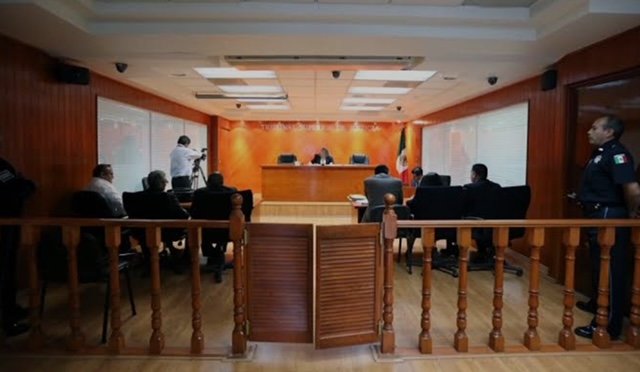
It is decided at the arraignment hearing, after:
1. The Public Prosecutor presents the facts and initial evidence.
2. The defense presents its arguments and may offer evidence or request dismissal of charges.
3. The judge analyzes whether there is sufficient evidence to arraign the defendant or not.
What happens next?
Once arraigned, the judge sets:
• The timeframe for supplementary investigation (generally 1 to 6 months).
• Precautionary measures, such as pretrial detention, periodic check-ins, or a restraining order.
If you are in a situation where you have been arraigned, I can help you. Call us at 686.2.55.85.32 — we are available 24 hours a day.